Musical instruments are highly sensitive to their surroundings, which is the exact same reason why performing steam cleaning of furniture and carpets (تنظيف المجالس والسجاد بالبخار) are vital. Whether it is a grand piano in a recording studio, a vintage violin in a practice room, or expensive microphones in a production booth, environmental conditions can significantly influence performance, durability, and sound quality.
Steam cleaning furniture and carpets plays a surprisingly important role in maintaining healthier studio environments. Upholstered seating, rugs, carpets, and fabric-covered surfaces naturally collect dust, allergens, moisture, and microscopic debris over time. These particles do not simply remain trapped in fabric, they circulate through the air and eventually settle on musical instruments and audio equipment.
By helping remove deep-seated contaminants without excessive chemical use, steam cleaning contributes to cleaner air, better equipment protection, and more stable environments for musicians and studios alike.
Why Musical Instruments are Sensitive to Indoor Conditions?
Most musical instruments are constructed from delicate materials such as wood, metal, felt, fabric, and sensitive electronic components. These materials react continuously to environmental conditions inside homes, rehearsal rooms, and studios.
Over time, contaminants can affect instruments in several ways. Dust may settle inside piano mechanisms, clog microphone grills, or coat amplifier vents. Excess moisture trapped in carpets and furniture can contribute to mold growth, which may damage wooden instruments and create unhealthy air conditions.
For string instruments such as guitars and violins, poor air quality may accelerate wear on finishes and hardware. Electronic studio equipment is also vulnerable, as dust buildup can interfere with cooling systems and internal circuitry.
Maintaining a cleaner indoor environment therefore becomes part of long-term instrument care rather than simply a matter of appearance.
How Carpets and Furniture Collect Hidden Contaminants?
Studios and music rooms often contain multiple soft surfaces that absorb contaminants over time. Carpets, upholstered chairs, acoustic panels, and couches act like filters, trapping particles deep within their fibers. Even in rooms that appear visually clean, hidden contaminants may include:
- Fine dust from outdoor air
- Skin particles and allergens
- Pet hair and dander
- Moisture trapped beneath carpets
- Bacteria and mold spores
- Residue from food, drinks, or foot traffic
Whenever people walk through the room or sit on upholstered furniture, some of these particles become airborne again. This process allows contaminants to circulate around instruments and recording equipment repeatedly.
For musicians spending long hours in enclosed studios, this can also affect comfort and respiratory health. Singers, wind instrument players, and recording artists in particular benefit from cleaner air environments that reduce irritation and airborne allergens.
Benefits of Steam Cleaning in Music Spaces

Steam cleaning offers a deeper sanitation method compared to standard vacuuming or surface wiping. By using high-temperature steam, the process helps loosen dirt, kill bacteria, and remove embedded contaminants from carpets and upholstered furniture.
One major advantage is that steam cleaning minimizes reliance on harsh chemicals. This is especially valuable in music studios where strong chemical odors or residues may interfere with sensitive equipment or create uncomfortable working conditions. Steam cleaning can benefit studios and music artists in a number of ways such as removing deeply embedded dust and allergens, reducing bacteria and mold growth, neutralizing odors trapped in fabrics, improving indoor air quality, and restoring freshness to studio furniture and carpets.
Because the process reaches beneath surface layers, it reduces the amount of airborne debris circulating through the room after cleaning. This creates a more stable and controlled environment for instruments and electronics. For studios with expensive recording gear, maintaining cleaner surroundings can also help reduce maintenance frequency and equipment cleaning costs over time.
Cleaner Studios Support Better Sound Environments
Cleanliness is not only about hygiene, it can also influence the functionality of creative spaces. Recording studios rely heavily on controlled acoustic environments, and excessive dust or poorly maintained carpets can gradually affect room quality and equipment performance.
Dust accumulation on microphones and sound equipment may subtly impact audio clarity. Poor air quality can also make long recording sessions uncomfortable for performers and engineers.
For home studios, steam cleaning can help maintain a balanced environment where instruments, furniture, and recording equipment coexist more safely and efficiently.
Preventive Maintenance for Creative Investments
Musical instruments are often valuable financial and emotional investments. Professional pianos, vintage guitars, studio monitors, and recording consoles can cost thousands of dollars and require careful maintenance to preserve performance quality.
Steam cleaning contributes to preventive care by reducing the environmental contaminants that slowly degrade equipment and indoor conditions over time.
Steam Cleaning is a Smart Investment
Steam cleaning furniture and carpets may not seem directly connected to musical instrument care, but the relationship is stronger than many musicians realize. Carpets and upholstered surfaces trap contaminants that eventually circulate through the air and settle on instruments and studio equipment.
By removing embedded dust, allergens, bacteria, and moisture, steam cleaning helps create cleaner, healthier environments that support instrument longevity and studio performance. In modern music spaces, a fresh studio environment ultimately supports clearer audio, healthier air, and better long-term care for valuable instruments and equipment.



 The brain naturally looks for patterns in sounds. Rhythm provides a predictable structure, while melody creates sequences of different pitches.
  Music plays an important role in different nations and generations, as they use it to signify special occasions, express emotions, or create bonds with one another.


 When a musician rehearses, s/he is not only moving the fingers, but the brain. Instrumental training stimulates visual, auditory, and motor systems in a way that develops a rich neural workout. That develops both technical precision and emotional expression. This is a complicated interaction that enhances the development of thinking and tunes coordination.
 K-pop has won over the world with the performances of such music icons as BTS, BLACKPINK, and Stray Kids breaking all the records in the world charts. The three primary elements that make K-pop unique are catchy songs, choreographed moves and enthusiastic audience interaction. K-pop has also created a culture where fans participate in other events such as streaming parties, voting campaigns, world tours, among other activities in addition to its musical contributions.
 Anxiety and depression symptoms can be greatly alleviated with music therapy, according to studies.
 Calm and Concentrated Ambience








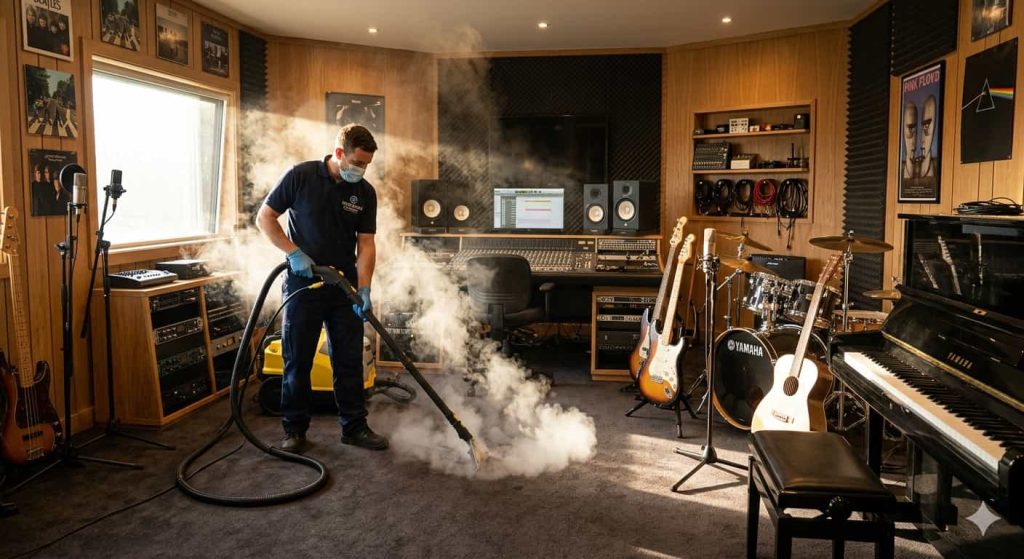

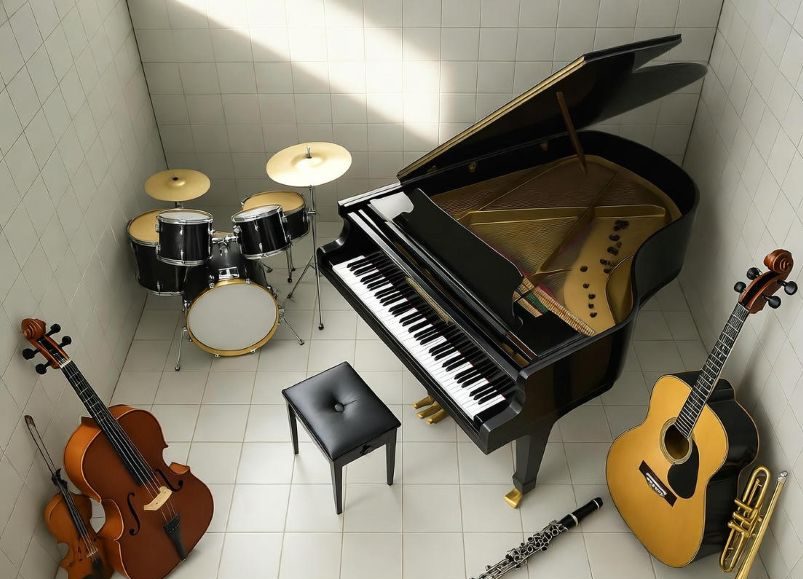
 Music pulses through the veins of Jeju Island’s evenings, turning simple gatherings into something magical. Picture this: waves crash softly outside while inside, a lounge fills with the smooth strum of a guitar. These spots know how to weave sounds into the very air. They draw you in, hold you close, like an old friend sharing secrets under the stars. Jeju’s themed lounges and salons don’t just play tunes. They craft worlds.
 Music lovers are streaming more than ever, but the risks of unsafe platforms are growing just as fast. From sketchy pop-up ads to malware hidden behind fake play buttons, the online music space can be a minefield. As fans search for the latest releases or live concert streams, the need for secure, curated platforms has never been more urgent.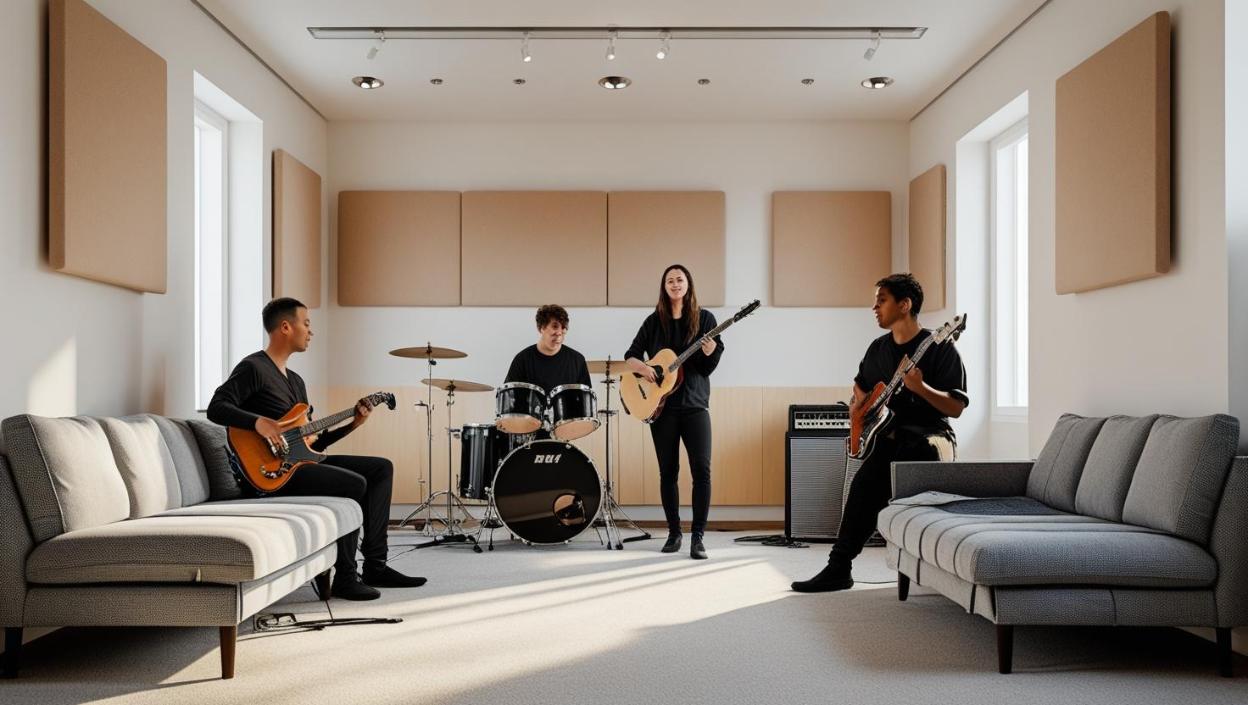
 Bourbon and music share a timeless bond, each enhancing the other’s depth and character. A glass of fine bourbon, with its rich amber hues and complex flavors, deserves a soundtrack that complements its spirit. Whether you’re savoring a smooth sip by the fire or hosting a lively gathering, the right album can elevate the experience. This guide pairs standout bourbons from The Barrel Reserve with music albums that match their vibe, creating a sensory journey for both palate and ears.
 At its core, both systems depend on predictable movement. Water flows through pipes, while beats travel through time. In plumbing, valves, and pressure points determine how and when water flows. Similarly, music relies on rhythm sections to guide the listener through a track — drum patterns, hi-hats, and bass lines keep the pulse steady.
 There’s nothing worse than laying down a killer track, only to have the room turn into a sauna—or worse, a freezing icebox that makes your fingers too stiff to play. Whether you’re a professional