
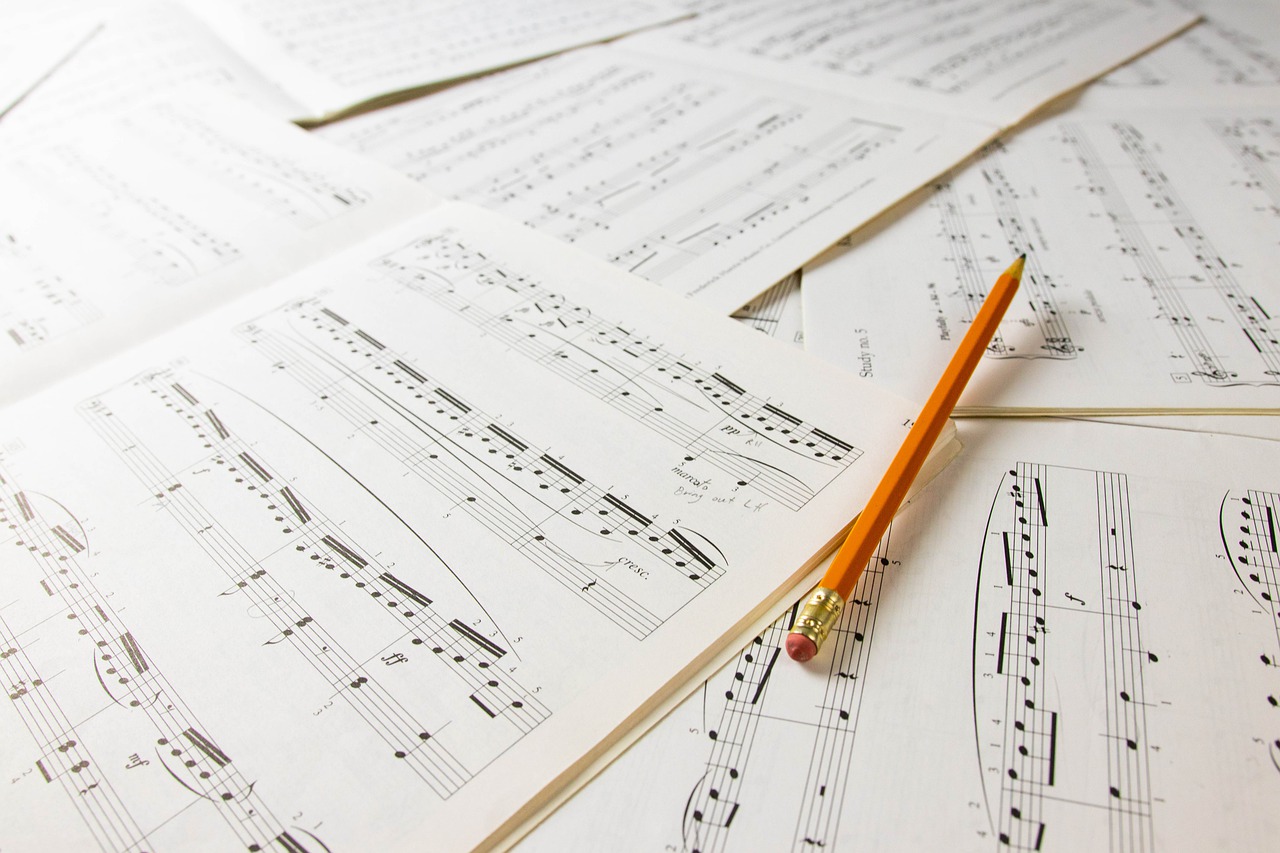
A film does not have to be great, it has an invisible character, the music. The movie domain does not only tell stories. Accessing it on platforms where viewers can watch free movies, glorifies the latter. It also transfers the tunes that render those stories memorable. When the eyes are usually frozen by the brightness of cinematography and the subtlety of the acting work of a main character, the ears are also experiencing the same process.
Film music is not just simple background music. It is the structure of the story against which the emotional baggage of a story is designed. In its absence, the most famous scenes in the history of cinema would no longer be culturally relevant. This is testimony to the fact that sound is usually the soul of the screen.
The Emotional Pulse of Film
One note is enough to shift the mood of a scene. Out of the suspenseful strings to the soulful piano tunes, soundtracks form views on character and emotion in the audience. Take into account the so-called “leitmotif,” a musical motif that is repeated each time in relation to a certain person, location, or concept. Whenever a viewer hears a particular melody, their brain gears up to the appearance of a hero or an imminent danger of a villain in the film even before they come into the screen.
This emotional trigger is a guide to the audience. In horror films, the music can be taken away leaving an empty feeling of fear. Whereas an abrupt and dissonant orchestral swell produces instant physiological fight or flight reaction. On the other hand, in a romantic film, the glances of two characters, which are silent, can be filled with a cello swell, which speaks of the words that they are too scared to utter.
Music is not merely the emotion of the scene, it is what decides it.
The Art of Scoring
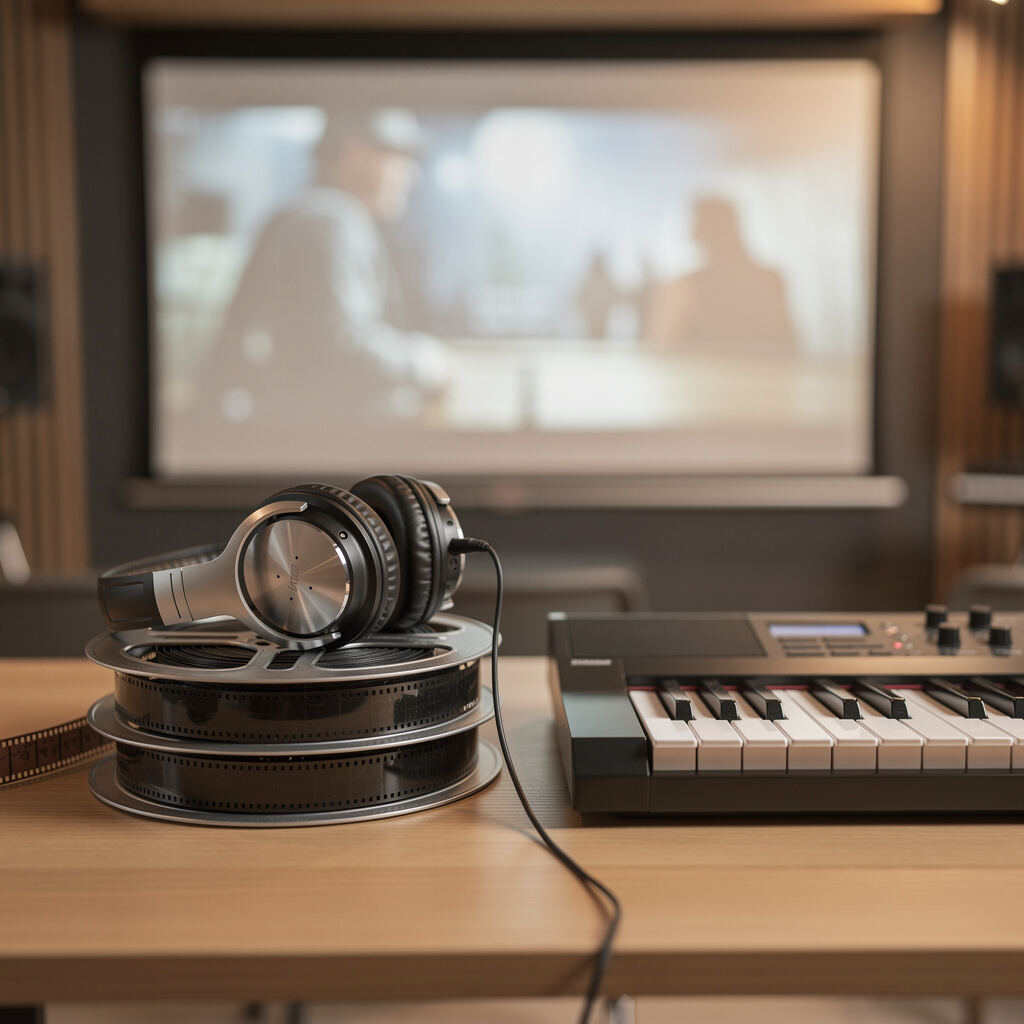
Composers act as film directors, creating soundscapes that increase the mood. The perception of rhythm, tone, and timing will enlighten us on the degree of influence of music on the human psyche. Scoring starts a long time before the final cut.
The involved technicality is huge. A composer has to determine when to employ a large orchestra to give it a feeling of size and when to employ one haunting flute to give it the feeling of being alone. This distortion of the sonic space assists in establishing the borders of the movie domain.
When Music Drives Narrative
There are movies that have a soundtrack that is their identity itself. Consider the way some songs characterize pop culture. These associations demonstrate the narrative ability of music. The music in most cases takes over the driving seat of the story. As an example, in any musical biopic or movie where the main character is a musician, the soundtrack is not its supplement, it is the story.
Moreover, the “needle-drop” or the usage of already existing popular songs can place a movie in a certain time that contrasts the images with a sharp ironical line. As an energetic pop song is being played as the background to a rough action scene, the narrative is shifted to something that is no longer serious but rather stylized. These decisions show that the film world is a concerted one where the visual and auditory components need to ball in synergy.
Inspiration for Musicians
The emotional architecture of the cinema gives artists an opportunity to improve their own work. Even as directors can add layers on visuals, musicians can add layers on sounds to narrate their own stories. Film scores are a lesson in tension and release to the contemporary musician. Through understanding how a sound track can lead to a crescendo or even make use of silence, the songwriters can understand how they can produce more immersive experiences with their own albums.
The movie teaches the musicians to think and see as the movie world their music occupies. Such cross-pollination of industries has produced some of the most creative sounds in modern music. To the creators, the silver screen is a bottomless source of intuition to structural experimentation.
Music-Centric Reads
Visit other articles on how to compose feelings using music or other subjects such as how sounds turn into a narrative. The two subjects hail the union of movie and sound. Through these materials, you would appreciate more the technical and creative challenges that composers have to jump through to make our favorite films a reality. Being either an amateur viewer or a professional cinephile, you will always remember the strength of the soundtrack that will make your perception of the movie world different.